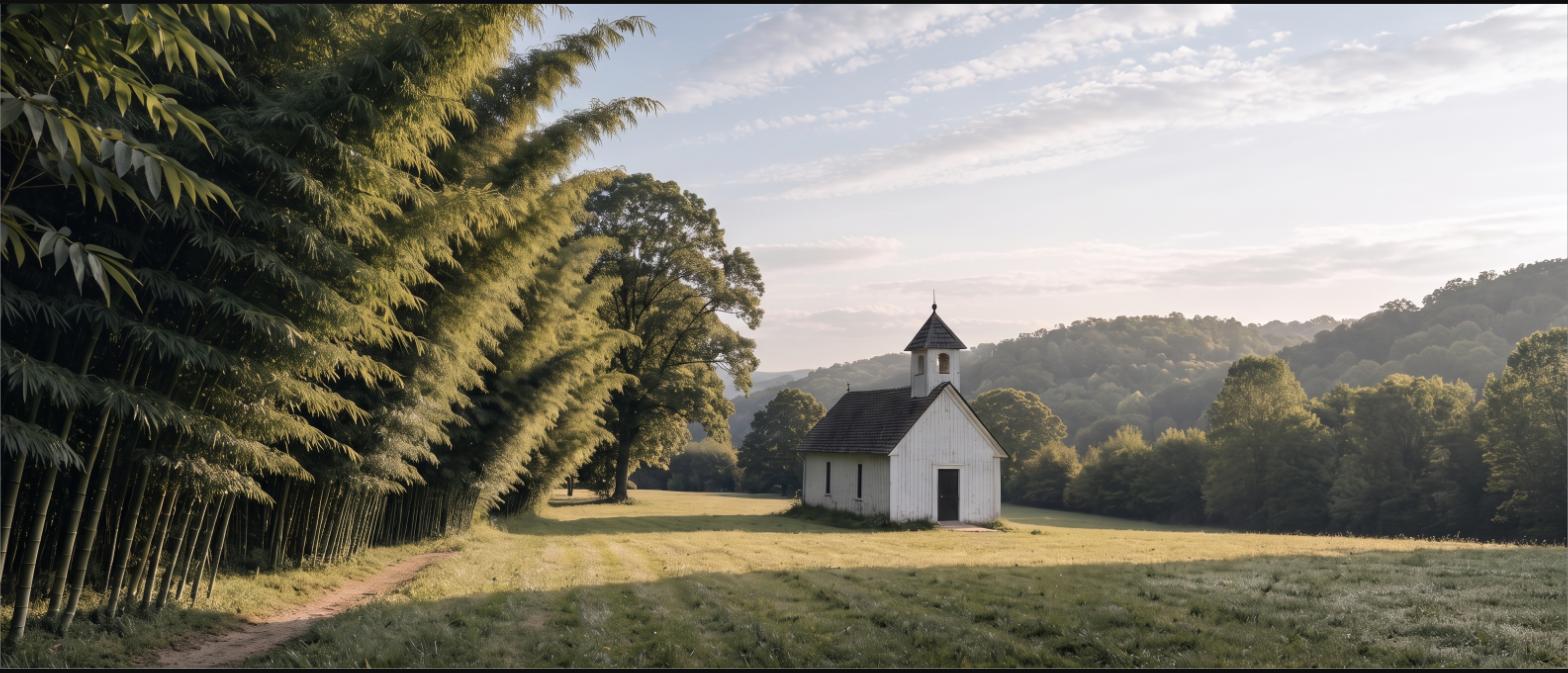
Our piece on animals as teachers drew more response than we expected, so here is another lesson from the created world, this one from the soil. Two plants sit side by side at the nursery. Same leaves, same price, same cheerful label promising a fast green screen. Put them in the ground and one stays where you put it while the other quietly takes the whole property line.
The Difference Is Underground
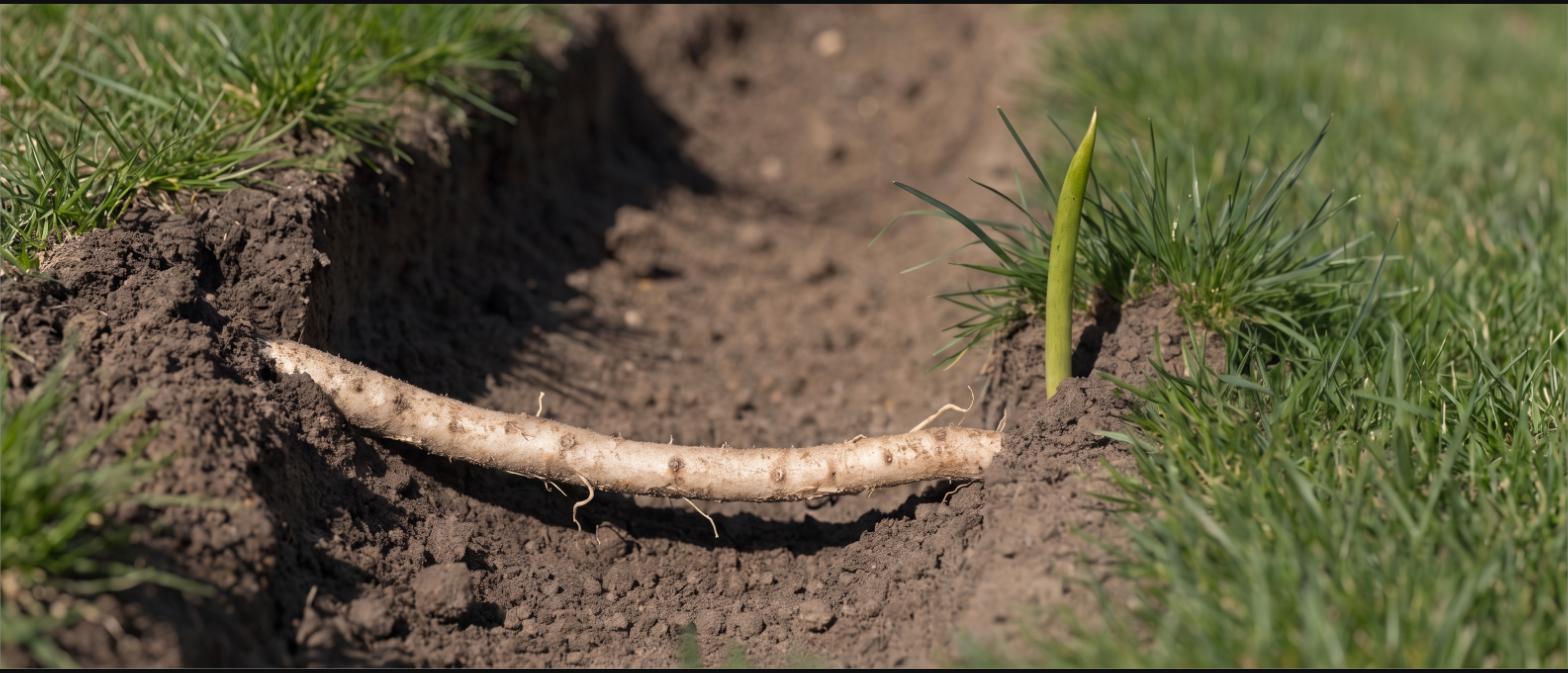
Running bamboos grow from long lateral rhizomes that travel outward just under the surface. A shoot can appear fifteen or twenty feet from the plant you actually bought, and it will keep going. Clumping bamboos grow from short rhizomes that turn upward almost immediately, so the plant widens by an inch or two a year and stays a defined shape.
You cannot tell them apart in a pot. The difference is entirely in habit, and it only reveals itself after three or four years, which is precisely when it becomes expensive to fix.
Why This Is a Neighbour Question
Here is where a gardening detail becomes something more. Once a rhizome crosses the fence, the problem is no longer in your garden. It is in your neighbour’s lawn, under their driveway, in the church’s memorial beds. A number of states and towns have now written this into law, making whoever planted it liable for the damage and the removal.
Anyone weighing running bamboo vs clumping for a church lot, a parsonage yard or a property line ought to settle that question before the first plant goes in the ground rather than after. Loving your neighbour is usually described in large terms, but a fair amount of it is small and practical, and some of it happens eighteen inches below the grass.

Watch: How to Build Bamboo Root Barriers and Contain Running Rhizomes (YouTube)
If You Have Inherited One
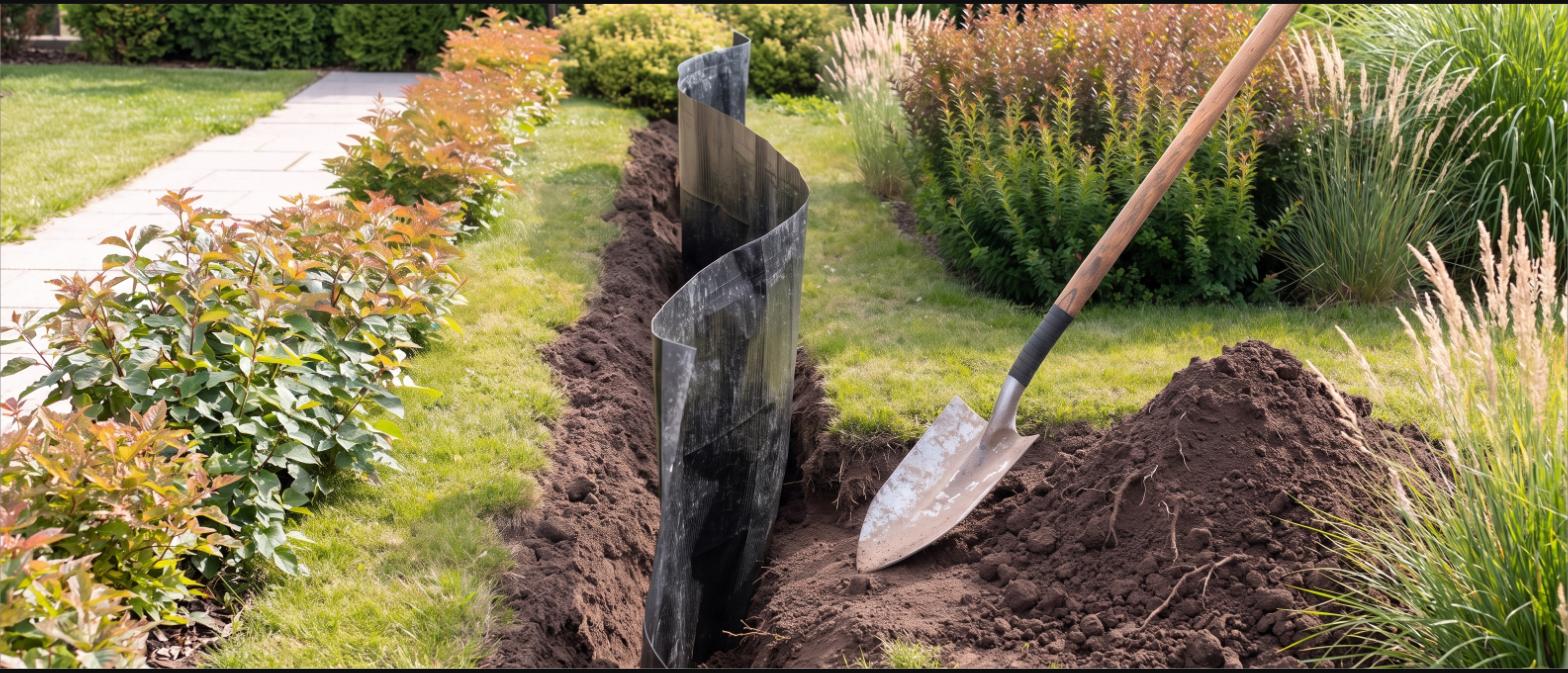
Plenty of congregations take on a property with an established stand already in place. Containment is possible: a heavy polyethylene barrier set around thirty inches deep, angled outward so rhizomes deflect upward, with a couple of inches standing proud of the soil so you can see anything trying to cross. The honest caveat is that a barrier is not a one-time fix. Somebody has to walk the line once a year and cut back what has climbed over. If nobody is going to do that, do not plant the running kind.
A Note for Our Climate
Most of Montana sits in zones colder than the hardy clumping bamboos really want, so check with a local grower before spending much. The principle holds regardless of what you end up planting: know what a thing does underground before you give it a home.