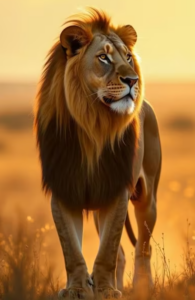
Many people throughout history have felt a deep spiritual connection with animals, viewing them as symbols, guides, or messengers with meanings that reflect human experiences, moral lessons, or divine principles. In the context of the Bible and other spiritual traditions, animals often carry symbolic weight, representing qualities such as wisdom, strength, patience, and transformation. These meanings can provide insight into our own lives or encourage reflection on the virtues and challenges that we face. For example, the lion is often associated with courage and kingship, reflecting both earthly and spiritual authority, while the dove is widely recognized as a symbol of peace, hope, and the presence of the Holy Spirit. Similarly, the humble lamb represents innocence, sacrifice, and devotion, highlighting themes of faithfulness and obedience. These symbolic interpretations encourage individuals to pay attention to animals around them, seeing them as reflections of life lessons or spiritual truths.
Beyond The Well-Known Symbols
 Beyond the well-known symbols of the Bible, everyday encounters with animals can also hold spiritual significance. Observing animals in natural settings—like watching turtles in the lake—can inspire contemplation and connection. Turtles, in particular, are often seen as symbols of patience, longevity, and resilience. Their slow, deliberate movements remind observers to approach life with care, persistence, and a steady pace, even when facing challenges. The protective shell of the turtle can be interpreted as a symbol of security and self-preservation, encouraging people to nurture both their physical and spiritual well-being. Seeing turtles in a lake can also evoke feelings of calm and reflection, emphasizing the importance of slowing down to appreciate life’s rhythms and the natural world.
In a broader spiritual sense, each animal can be thought of as embodying specific traits that humans can learn from or aspire to emulate. Birds, for example, can signify freedom, perspective, and divine inspiration, while deer may represent gentleness, awareness, and the need for careful guidance. Even more common animals, like fish, hold deep spiritual significance in biblical contexts, often symbolizing abundance, faith, and the call to follow a higher path. Paying attention to the presence, behavior, and characteristics of animals—whether in scripture, in a garden, or at a quiet lake—allows people to interpret life lessons through the lens of the natural world.
Personal Spiritual Practices
Animal symbolism also extends into personal spiritual practice, where people might keep a dream journal, meditate on encounters with wildlife, or study the traits of specific animals as guides for decision-making or personal growth. For example, noticing turtles in the lake during quiet reflection could be seen as a prompt to cultivate patience, resilience, or mindfulness in one’s own life. These interpretations bridge the spiritual with the practical, helping individuals find guidance and inspiration in the natural world.
The spiritual relationship with animals—whether rooted in biblical symbolism, cultural tradition, or personal experience—invites us to see the interconnectedness of life. By observing creatures like turtles, lions, doves, and others, humans can gain insight into qualities to develop within themselves, find comfort in lessons from nature, and nurture a sense of awe and respect for all living beings. Animals, in this sense, act as both mirrors and teachers, showing us aspects of the spiritual journey through their presence and behavior.